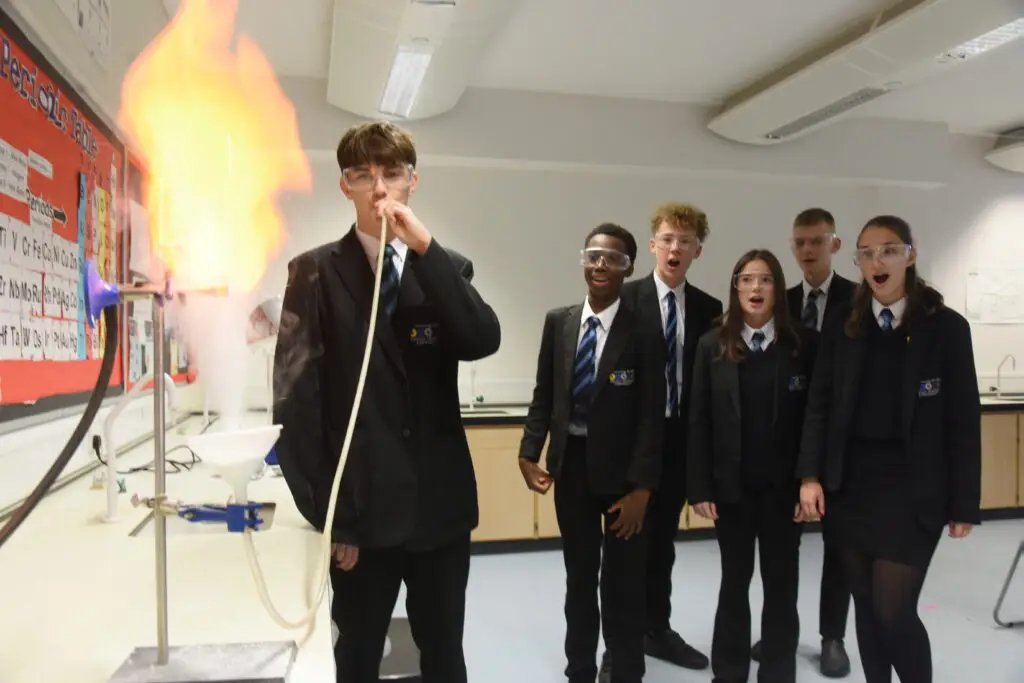
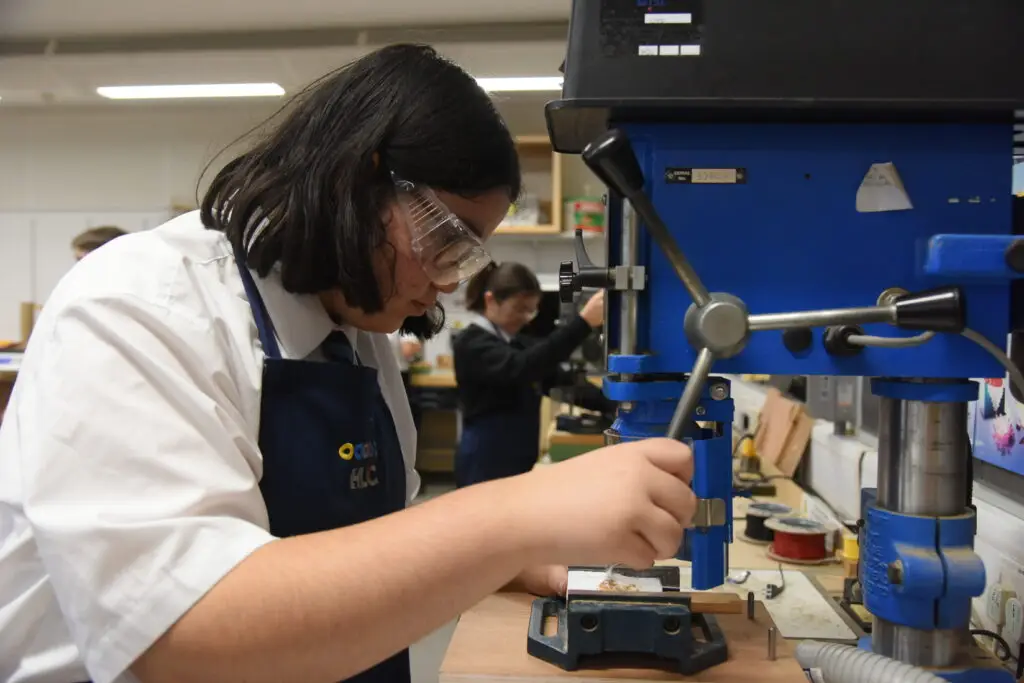
We believe that the right curriculum, combined with exceptional delivery, is key to transforming the future of our students.
At Hadley Learning Community Academy,
we are committed to delivering an outstanding education through a carefully crafted curriculum underpinned by excellent principles and dynamic teaching. We believe that the right curriculum, combined with exceptional delivery, is key to transforming the future of our students.
The curriculum at HLC is more than just a list of subjects
it is the means through which we deliver our whole-school vision. We recognise that improving educational outcomes is one of the most powerful ways to positively impact our students’ futures. We believe that education encompasses not just intellectual development but also emotional growth, character building, social responsibility, and the pursuit of happiness and success. At HLC, this vision is “lived” in the way our teachers develop and deliver the curriculum, and in the way students engage with it.
Our curriculum is designed to:
Be true to the core content and concepts of each subject
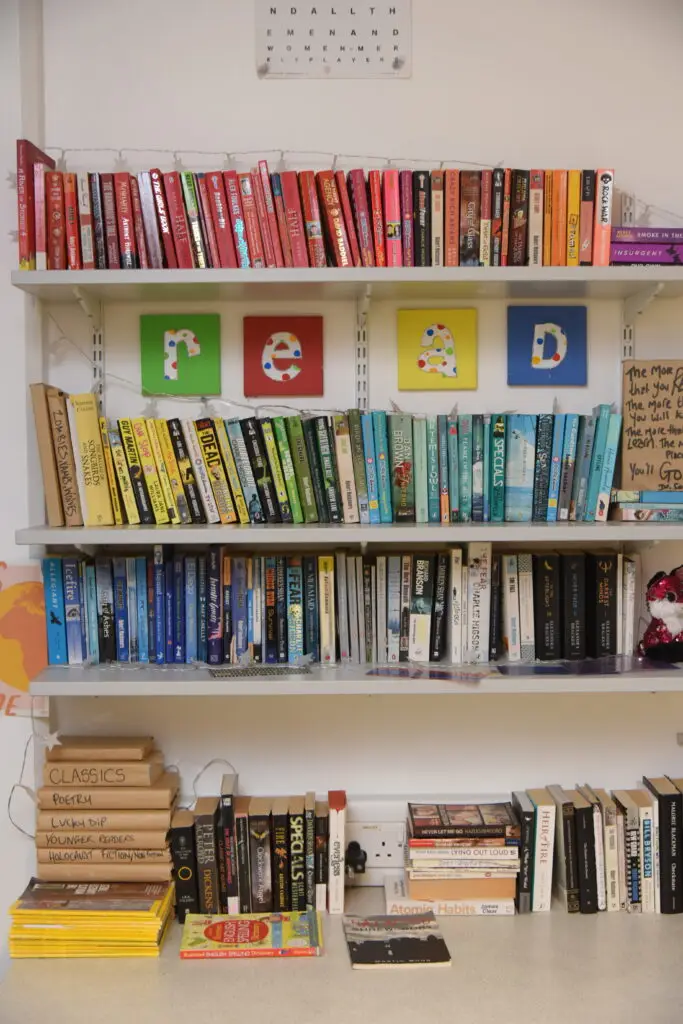
Foster a love of lifelong learning
Cultivate expertise, creativity, and curiosity
At the heart of our curriculum are our core values: Belong, Respect, Inspire, Succeed, Enjoy. We believe that a challenging, broad, and balanced curriculum inspires our students to achieve excellence in all they do.
Curriculum Intent
We aim to provide a challenging yet broad curriculum that prepares our students to thrive in a rapidly changing world. Our students will leave us as well-rounded, respectful individuals, equipped with the skills they need to belong, flourish, and succeed.
We ensure that both the breadth and depth of the curriculum are reflected in the EBacc subjects and the arts. The curriculum is built around our vision as a community school—where learning is enjoyed, and students are inspired to look outward, beyond the classroom, to a future of limitless possibilities.
Key Priorities in Our Curriculum:
Inclusivity and Relationships: We create an inclusive environment built on positive relationships, where all students feel valued, respected, and celebrated, empowering them to fulfil their potential.
Ambitious Learning and Social Mobility: Our curriculum is designed to enhance social mobility by offering a breadth of opportunities, particularly for disadvantaged students. We aim to equip them with the knowledge and skills to succeed in a global economy while fostering a deep respect for social, economic, and environmental issues.
Pride in Our Community: We help students understand the role of Telford’s history, present, and future, instilling pride in their community.
Enriched Lifestyles: We focus on providing the knowledge and passion that promotes a full and enriched life.
Curriculum Implementation
We structure our curriculum to ensure maximum success by sequencing learning in a coherent, progressive way. Evidence-informed teaching practices guide our approach, drawing on research from respected academics and educational theorists. These include:
Barak Rosenshine’s Principles of Instruction (Tom Sherrington, 2019)
Graham Nuthall’s The Hidden Lives of Learners (2007)
Geoff Barton & Alex Quigley’s literacy strategies
Kate Jones’ retrieval strategies
Fiorella & Mayer’s generative practice
Teachers are supported by instructional coaches who work closely with them to refine teaching strategies, ensuring they meet their goals for improving student learning. This work is also supported by Tom Sherrington’s WalkThrus and Josh Goodrich’s StepLab and Responsive Coaching.
Key stages
Key Stage 3 Curriculum
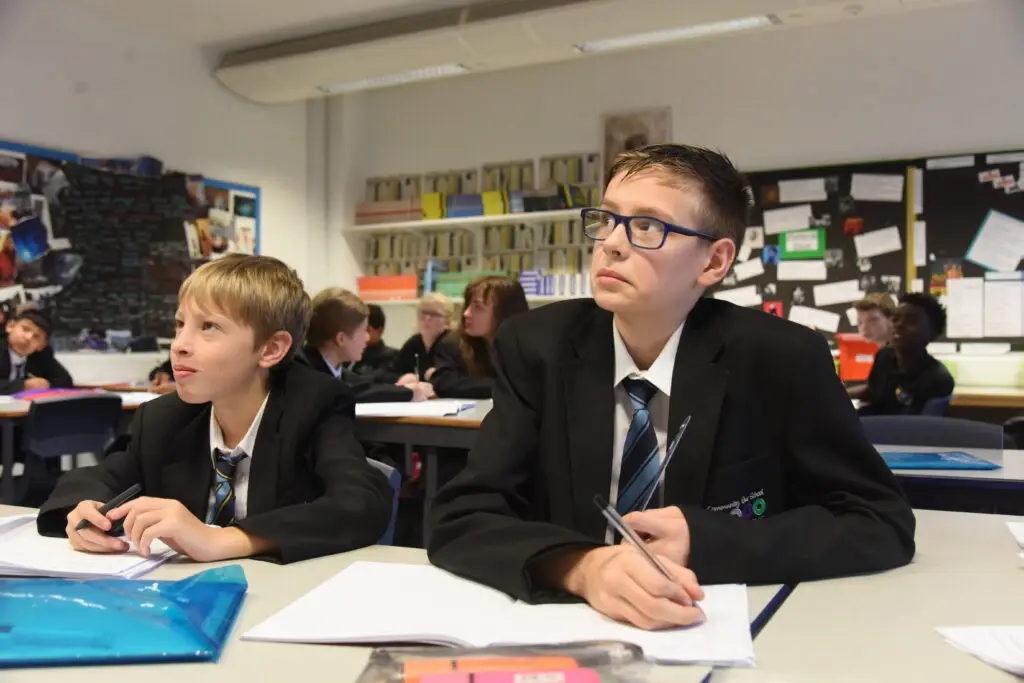
In Key Stage 3, our students experience a broad range of subjects designed to help them discover their academic strengths, broaden their knowledge, and build interconnected learning frameworks.
Our approach is to introduce students to the bigger picture of their learning, helping them understand the patterns and structures of the world around them. This enables students to retain new knowledge by linking it to broader concepts.
By offering a wide range of subjects and continually reinforcing conceptual understanding, we make it easier for students to deepen their knowledge and tackle increasing levels of difficulty. This approach benefits all students, especially those from disadvantaged backgrounds (David Didau).
Key Stage 4 Curriculum
At Key Stage 4, students follow a traditional academic curriculum, studying English, Maths, Science, and a Humanities subject, with encouragement to complete the full EBacc suite of subjects. We ensure that each student’s curriculum is personalised to meet their needs, giving them access to qualifications that will enhance their opportunities for further study and employment.
Our approach to Key Stage 4 is centred around providing a wealth of opportunities beyond the classroom, including:
Developing talents in sports up to national level
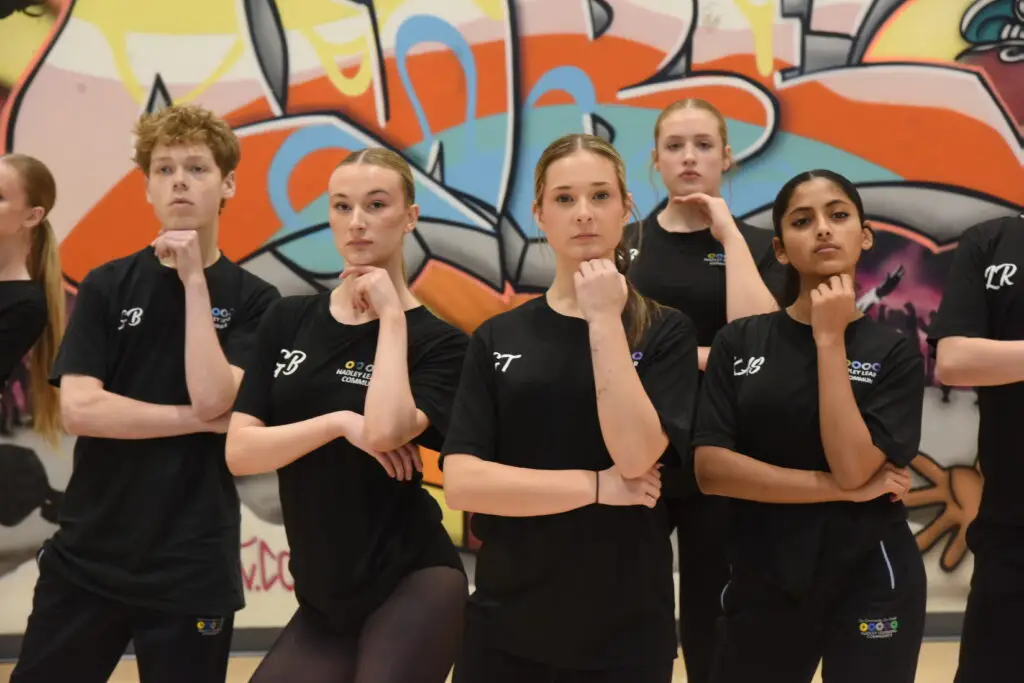
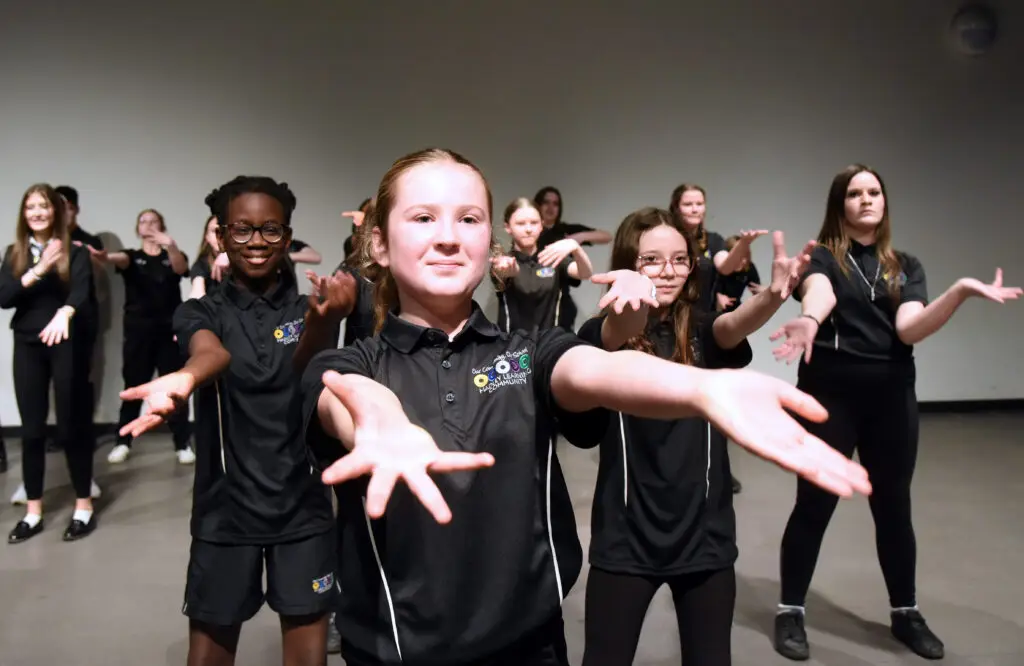
Participation in the performing arts
Competing in STEM activities and taking part in the Duke of Edinburgh Award
Engaging with the School Parliament
In addition, our Careers Programme supports students in raising their aspirations and capitalising on future opportunities.
Supporting Students with SEND
In both Key Stage 3 and Key Stage 4, most learners with SEND follow the same curriculum as their peers, ensuring a broad and balanced education. Where specialist provision is needed, we seek inclusive solutions that minimise withdrawal from the classroom. This includes explicit teaching of tier 2 and tier 3 vocabulary and a strong focus on disciplinary literacy.
Targeted interventions, such as specialist literacy or numeracy programmes, are tailored to complement, rather than replace, the mainstream curriculum. Support outside of the classroom, such as emotional literacy or speech and language sessions, is carefully scheduled to minimise disruption to academic lessons.
Curriculum Impact
Key Stage 3 Curriculum
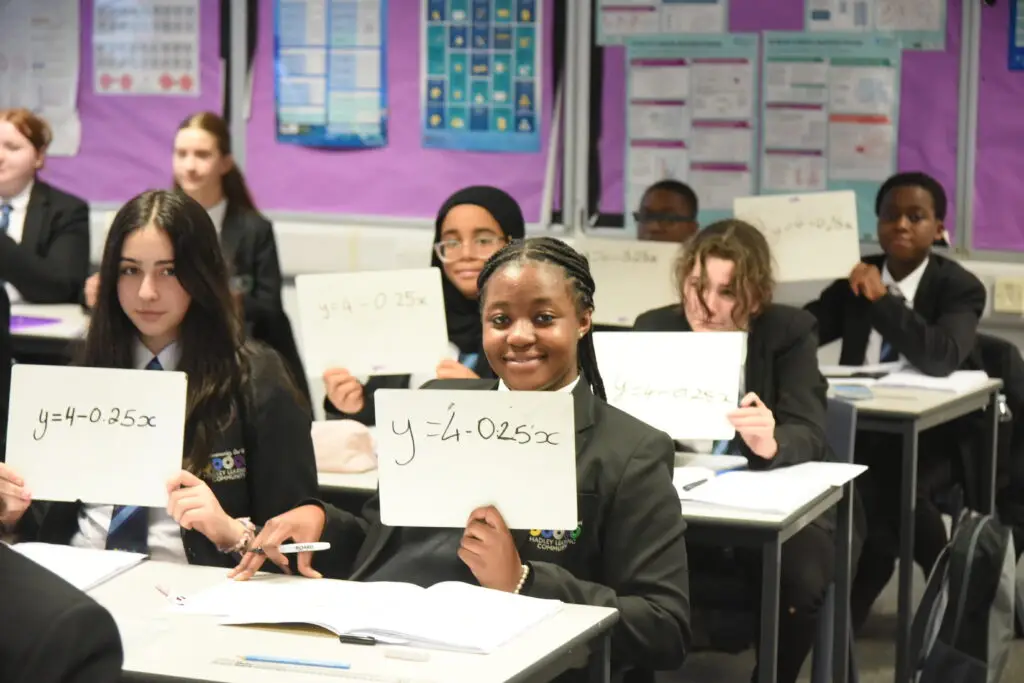
Our approach to formative assessment is grounded in research from the Education Endowment Fund (EEF) and focuses on helping students achieve fluency in their subjects. Regular quizzing on prior knowledge ensures that information is embedded in long-term memory, freeing up working memory for new learning.
We cultivate a culture of high challenge, low threat, where students feel safe and supported in taking risks and embracing challenges (Mary Myatt).
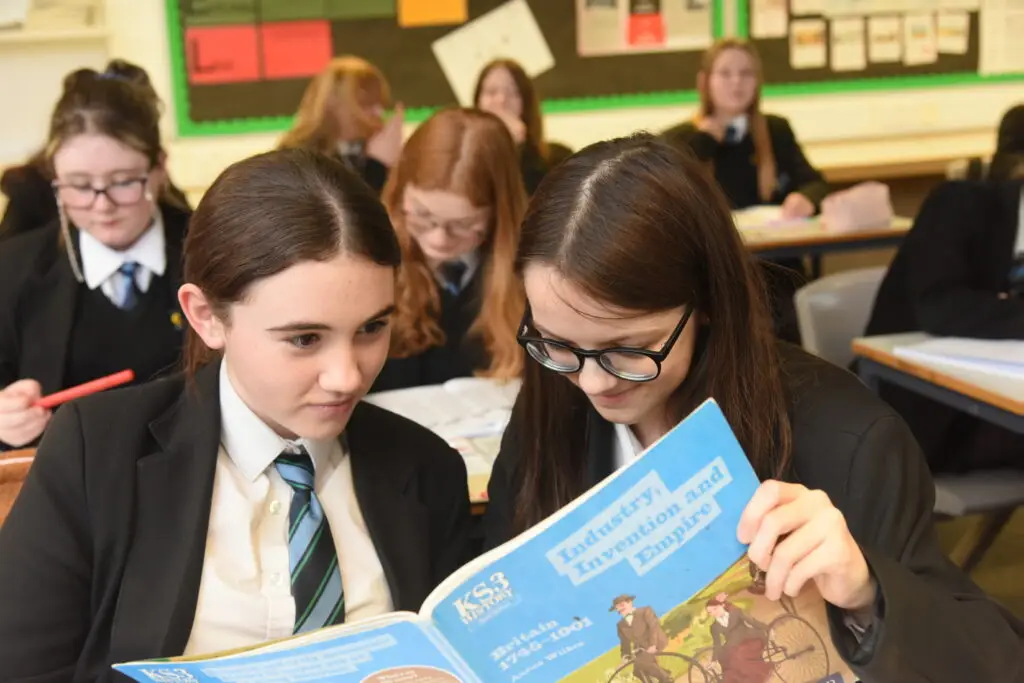
Literacy and Vocabulary are central to unlocking the full potential of the curriculum. Teachers explicitly teach subject-specific vocabulary and incorporate challenging reading and writing tasks in every lesson.
Knowledge Organisers are used to break down key information for each subject, helping students memorise the core knowledge they need to perform higher-level tasks such as analysis and evaluation.
In summative assessments, we focus on the application and long-term retention of knowledge. We ensure consistency and reliability through moderation and standardisation of assessments. Analysis of summative data drives responsive teaching at every level—from individual classrooms to whole-school planning—addressing knowledge gaps for all students, including SEND and disadvantaged learners.
Every Student, Every Opportunity
At Hadley Learning Community, we are committed to ensuring that every student has access to a challenging and enriching curriculum. By teaching this curriculum with care and developing positive learning habits, we aim to bring out the best in every student, equipping them to succeed both now and in the future.