Curriculum

Modern foreign languages

Curriculum intent, implementation, and impact

About the subject

Our Culture – “At HLC, We Can All Do Languages”

At HLC, students who study Languages gain the skills and confidence to view themselves as global citizens, prepared to thrive in a multicultural, respectful world.

We aim to cultivate better communicators, empowering students to be more open and adaptable to new experiences. Through language learning, students develop strong, lifelong linguistic skills while nurturing their curiosity about the world around them.

By fostering a love of languages, we inspire students to explore and appreciate diverse cultures, deepening their respect for others and broadening their horizons.

At the heart of our approach is a commitment to inspire and support students through a combination of modelling, collaboration, and independent work, helping them to strengthen their reading, writing, listening, and speaking skills.

About the KS3 Curriculum intent, implementation, and impact

At HLC, every KS3 student studies and enjoys learning a language, with all students feeling successful in their French or Spanish lessons.

The MFL curriculum is both ambitious and aligned with the National Curriculum, as well as the AQA exam specification (for current Year 11) and the Edexcel specification (for the new GCSE from June 2025).

At KS3, our curriculum encourages students to “feel the world in someone else’s shoes,” while establishing strong foundations in the three pillars of progression: Grammar, Vocabulary, and Phonics.

Our goal is to empower students to communicate confidently in French and Spanish, enabling them to understand and respond to native speakers expressing ideas relevant to their daily needs.

We aim to equip students for continued language study post-16 and prepare them for a future where they can work globally and interact with people from diverse backgrounds. Developing enthusiastic, resilient learners with a lasting legacy is central to our mission.

Over the course of five years, we focus on strengthening competencies in listening, reading, speaking, and writing, gradually building students’ independence and self-confidence.

We are committed to exposing students to different cultures, fostering their curiosity, and deepening their global awareness. Our curriculum challenges insular thinking and highlights the value and importance of learning a language.

We also aim to cultivate respect for others, both within our local communities and globally, enriching students’ cultural capital and broadening their horizons through diverse class activities, cultural events, and trips.

Through these trips, we provide students with practical opportunities to communicate in real-world settings, further enhancing their language skills.
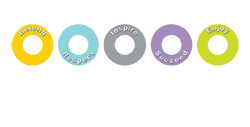
Collaborative curriculum planning is central to our department’s approach. Throughout their studies, students are equipped with the skills and knowledge to become confident, independent speakers of French or Spanish, mastering phonics, vocabulary, and grammar. Learning is organized in a spiral approach, ensuring continuous progression and reinforcement of key concepts.

As students advance, they regularly revisit and practice the language they have learned, allowing them to build fluency and become effective communicators. Our curriculum is designed to help students develop their language skills incrementally, ensuring that they grow into confident and capable speakers.

With students joining us from approximately 40 different primary schools, our primary goals are to build confidence in spoken language, introduce the foundations of grammatical understanding, and foster engagement and motivation in language.

learning. From Year 7 onwards, we teach students the essential skills needed for their future GCSE and A Level studies.

All lessons are planned with the highest standards in mind, and we adapt our teaching to meet the needs, abilities, and interests of each individual student. We monitor progress through regular assessments and continuous feedback. Teachers use a variety of methods to check understanding, such as Show Me boards, cold calling, Think-Pair-Share, and targeted questioning, ensuring that all students are actively engaged in their learning.

In MFL, feedback and marking are designed to support student progress and to achieve the following objectives:

  • Recognise and celebrate students’ efforts and achievements in ways that are clear and motivating.
  • Diagnose challenges, identify areas for development, and guide students towards improvement.
  • Set clear, manageable, and developmental learning targets.
  • Provide specific strategies for progress and improvement.
  • Motivate students and cultivate a culture of achievement.

Through a broad range of engaging activities, students are taught to:

  • Identify and use tenses and other grammatical structures to express themselves in the present, past, and future.
  • Manipulate key grammatical structures and patterns to build accuracy and fluency.
  • Develop a rich vocabulary that allows them to give and justify opinions and engage in discussions on topics beyond their immediate needs and interests.
  • Use accurate grammar, spelling, and punctuation in both written and spoken language.

Students also learn to:

  • Listen and respond to a variety of spoken language.
  • Transcribe words and sentences they hear, reinforcing their listening and writing skills.
  • Read original and adapted texts, understanding their purpose and context.
  • Explore literary texts that deepen their understanding of both the language and culture.
  • Write creatively and translate texts accurately from and into the target language, further developing their linguistic competence.

Our curriculum fosters a comprehensive and well-rounded language education, preparing students not only for exams but for a lifetime of linguistic and cultural exploration.

We know our curriculum in the MFL department is effective because of the high levels of student engagement observed throughout the school, as well as the feedback gathered through student voice surveys. The quality of teaching and learning in MFL has been consistently praised during learning walks, with both internal and external observers highlighting its strength.

Student progress is closely monitored through regular assessments, which demonstrate steady improvement. Teachers routinely check for understanding in class using a variety of techniques, including Show Me boards, cold calling, Think-Pair-Share, and targeted questioning.

Our 24 dedicated Language Ambassadors are eager to support younger students, both within MFL lessons and through after-school tutoring for individuals and small groups. Additionally, former GCSE students who pursued a language at KS5 are always enthusiastic about completing their work experience in the MFL department, sharing their experiences and insights with current students.

Over the past three years, French results have shown significant improvement, while Spanish results have remained consistently strong. In the most recent GCSE examinations, MFL results ranked among the highest in the school.

Homework is set on a fortnightly basis, with students expected to spend between 20 and 30 minutes on each task.

The core homework task focuses on vocabulary acquisition, reinforcing key words and structures introduced in lessons. For these tasks, students should bring their revision notes to school, demonstrating the method they have used to study, such as flashcards, mind maps, word clouds, etc.

Optional enrichment tasks are also available for students who wish to extend their learning beyond the core homework.

We strive to foster a deep respect for others, both within our local communities and globally, while expanding our students’ cultural capital and broadening their perspectives. Through a diverse range of class activities and whole-school cultural events, we aim to enrich their understanding of the world.

Our trips also offer valuable opportunities for students to engage in practical communication, helping them apply their language skills in real-life contexts.

Our enrichment opportunities include:

  • Fortnightly After-School Club: A variety of activities such as watching French/Spanish films, cooking traditional dishes, and celebrating cultural festivals.
  • Half-Termly Whole-School MFL Competitions: Fun events like “Design a Flag from Recycled Materials” or the “MFL Bake Off.”
  • Community Languages Competitions: Creative challenges like designing a tree or compiling a cookbook.]
  • Language Ambassador Activities: Student-led initiatives to engage peers and promote language learning.
  • Tapas Restaurant Visit: An immersive experience exploring Spanish cuisine and culture.
  • Spanish Dance Demonstration: A Flamenco dance workshop that allows students to explore Spanish traditions through movement.
  • KS3 Visit to the Opal Coast, France: A cultural trip to enhance language learning and cultural appreciation.These activities aim to inspire a love for languages, promote cultural awareness, and provide students with opportunities to actively engage with the language beyond the classroom.

On 22nd November, all Year 9 students attended an inspiring MFL career talk, highlighting the crucial role that language skills play in a wide range of careers, particularly in the initial stages of job interviews.

A language GCSE opens numerous opportunities. For students who have achieved the English Baccalaureate (Ebacc), it provides a solid foundation for further education, with options for continuing language study through A Levels, Diplomas, or Certificates.

After the age of 18, many UK universities offer modern foreign language degrees, or courses that incorporate language modules. MFL degrees often include the option of a year abroad, known as a “sandwich course,” where students can enhance their language proficiency and gain specific skills related to their future career interests.

Studying abroad is also an option, allowing students to immerse themselves in a foreign culture and language—an experience proven to be one of the most effective ways to achieve fluency.

Skills for Your CV

In an increasingly global job market, the skills developed through learning a foreign language are highly valued by employers. These include:

  • Effective Communication (speaking and writing)
  • Information Gathering, Assessment, and Interpretation
  • Leading and Participating in Discussions and Group Work
  • Developing Opinions and Proposing Ideas
  • Cultural Awareness
  • Adaptability to New and Changing Environments
  • Ability to Work Both Independently and in a Team

Career Opportunities

For graduates with a degree in Modern Foreign Languages, the world is full of possibilities. Whether at home or abroad, the career options are vast, including roles such as:

  • Interpreter
  • Translator
  • Sales and Marketing Executive
  • Detective
  • Tour Manager
  • Patent Examiner
  • Logistics and Distribution Manager
  • Diplomatic Service Officer
  • Public Services
  • Publishing Rights Manager
  • Footballer
  • Personal Trainer
  • Makeup Artist
  • Architect

The skills gained from studying languages not only open doors to a wide range of professions but also provide graduates with the flexibility and global reach to shape their career path in numerous exciting directions.

About the KS4 Curriculum intent, implementation, and impact

The MFL curriculum at HLC is both ambitious and aligned with national standards, meeting the expectations of the National Curriculum as well as the AQA exam specification (for current Year 11 students) and the Edexcel specification (for the new GCSE from June 2025).

At KS4, we guide students towards becoming language experts, helping them build proficiency across all skills—listening, reading, speaking, and writing—over the course of five years. Our focus is on developing students’ independence and self-confidence, ensuring they are equipped to continue their language studies post-16 and to thrive in a globalized world.

At HLC, we aspire to nurture a love of languages that will serve students long after they leave school. We aim to prepare them not only for further education but also for careers where they can work with people from diverse backgrounds, potentially in international settings.

Our curriculum fosters enthusiastic, resilient learners with a lasting appreciation for languages. At the heart of our teaching is the goal to inspire curiosity, promote cultural awareness, and deepen students’ understanding of the world around them. We challenge insular attitudes and highlight the immense value of language learning, equipping students with the skills to connect with others globally.

Collaborative curriculum planning is at the core of our department’s approach. Throughout their studies, students develop the skills and knowledge needed to become confident, independent speakers of the language, with a focus on phonics, vocabulary, and grammar. Our curriculum follows a spiral structure, where learning is revisited and built upon at each stage, ensuring continuous progression.

Students regularly revisit and consolidate the language they learn, giving them ongoing opportunities to practice the skills that make them effective communicators. With students joining us from around 40 different primary schools, our key aims are to:

  • Build confidence in spoken language,
  • Introduce foundational grammatical understanding,
  • Foster engagement and motivation from the outset.

From Year 7 onwards, we equip students with the specific skills they will need for success in GCSE and A Level studies.

Lessons are planned with high expectations in mind, starting from the top of the ability range and adapting to meet the needs, abilities, and interests of each individual student. We track progress through regular assessments, ensuring that students are making consistent progress. Teachers use a variety of strategies to check understanding, including Show Me boards, cold calling, Think-Pair-Share, and targeted questioning.

In Modern Foreign Languages (MFL), feedback and marking are designed to support students’ learning and help them achieve the following objectives:

  • Recognise and celebrate students’ efforts and achievements in ways that are meaningful for all learners.
  • Diagnose areas of difficulty, providing clear insight into challenges and development needs.
  • Set realistic, developmental learning targets that guide students’ progress.
  • Offer specific, actionable strategies for improvement.
  • Motivate students and cultivate a culture of achievement and growth.

Through a wide range of activities, students are taught to:

  • Identify and use tenses and structures that convey the present, past, and future.
  • Master key grammatical structures and patterns, using them with increasing confidence.
  • Develop a rich vocabulary, enabling them to express and justify opinions and engage in discussions on topics beyond their immediate interests.
  • Apply accurate grammar, spelling, and punctuation in both spoken and written communication.

Students also learn to:

  • Listen and respond to a variety of spoken language, honing their comprehension skills.
  • Transcribe words and sentences they hear with precision.
  • Read original and adapted materials, understanding their context and purpose.
  • Engage with literary texts, deepening their understanding of both the language and culture.
  • Write creatively and translate texts accurately between the target language and English.

This comprehensive approach ensures that students not only achieve language proficiency but also gain a deeper cultural understanding, preparing them for success in both academic and real-world contexts.

We know our MFL curriculum is effective because of the high levels of student engagement observed across the school, as well as the positive feedback captured through student voice surveys. The quality of teaching and learning in MFL has consistently been praised during learning walks, both by internal staff and external observers.

Our students demonstrate strong progress, which is regularly monitored through assessments. In class, teachers use a variety of strategies to check understanding, including Show Me boards, cold calling, Think-Pair-Share, and targeted questioning, ensuring that learning is both dynamic and responsive.

We are also proud of the active role played by our twenty-four Language Ambassadors, who support younger students in MFL lessons and provide after-school tutoring for individuals and small groups. Additionally, our former GCSE students, particularly those who continued to study languages at KS5, are eager to contribute to the department by completing their work experience with us and sharing their insights with current students.

Results speak for themselves: French outcomes have improved significantly for three consecutive years, while Spanish results have remained consistently high. In the most recent GCSE examinations, MFL results were among the best in the school, reflecting both the dedication of our staff and the commitment of our students.

Homework is set weekly, with students expected to spend at least 30 minutes on each task.

The homework schedule alternates between vocabulary learning and GCSE-focused reading or writing tasks. Every other week, students will complete a vocabulary task, while on alternate weeks, they will focus on either a reading or writing task aligned with the GCSE curriculum.

For vocabulary tasks, students are required to bring their revision notes to class to demonstrate the methods they have used to study (e.g., flashcards, mind maps, word clouds, etc.).

We aim to foster respect for others, both within our local communities and globally, while expanding students’ cultural capital and broadening their horizons. This is achieved through a range of classroom activities, cultural events, and whole-school initiatives.

Our trips provide students with valuable opportunities to communicate in real-world contexts, helping them apply their language skills for practical purposes.

Our enrichment opportunities include:

  • A fortnightly after-school club offering a variety of activities such as watching French and Spanish films, cooking French and Spanish dishes, and celebrating cultural festivals.
  • Half-termly whole-school MFL competitions (e.g., Design a Flag from Recycled Materials, MFL Bake Off).
  • Community Languages competitions, including creative projects like designing a tree or compiling a cookbook.
  • Language Ambassador-led activities, providing peer-to-peer support and engagement.
  • Cultural experiences, such as a visit to a Tapas Restaurant and a Spanish Dance Demonstration with a Flamenco workshop.
  • A KS3 trip to the Opal Coast in France, offering immersive learning experiences.

These activities are designed to enrich students’ understanding of language and culture, enhancing their overall educational experience.

A language GCSE opens up a wide range of opportunities. If you have achieved an English Baccalaureate (EBacc), it provides a strong foundation for further education. Ongoing language study can take several forms, including A Levels, Diplomas, or Certificates – each offering a pathway to deeper linguistic proficiency.

Beyond 18, most UK universities offer degree courses in modern foreign languages or courses with language modules. Many MFL degrees also include a year abroad, often referred to as a “sandwich year.” This immersive experience allows you to improve both your language skills and gain specific job-related experience, making you more competitive in the global job market.

You can also choose to study abroad and become a foreign student in another country. This is one of the most effective ways to achieve fluency, as it provides an authentic language environment and a deep understanding of the culture.

Skills for Your CV

In today’s increasingly global job market, employers highly value the skills gained through learning a foreign language. These include:

  • Strong communication skills (both speaking and writing)
  • The ability to gather, assess, and interpret information
  • Leadership and collaboration in discussions and group settings
  • Critical thinking – developing opinions and proposing ideas
  • Cultural awareness and sensitivity
  • Adaptability to new and changing environments
  • Independent work and the ability to thrive in teams

Career Opportunities

Graduates with a Modern Foreign Language (MFL) degree have a vast array of career options, both in the UK and abroad. Some possible career paths include:

  • Interpreter
  • Translator
  • Sales and Marketing Executive
  • Detective
  • Tour Manager
  • Patent Examiner
  • Logistics and Distribution Manager
  • Diplomatic Service Officer
  • Public Services
  • Publishing Rights Manager
  • Professional Footballer
  • Personal Trainer
  • Makeup Artist
  • Architect

Whether you want to work in international business, travel, diplomacy, or even a creative industry, a language qualification opens doors to diverse and rewarding career opportunities.